Persimmon Passion

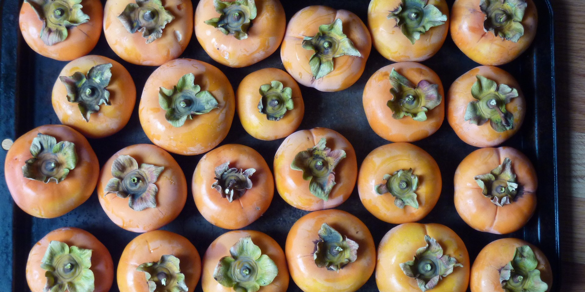
One of the local treasures of the season is the pumpkin-colored persimmon.  If you’ve got a tree in the neighborhood you’ll notice bare branches in December covered with fiery orange balls dangling like ornaments hung for an open-air holiday party. The graceful persimmon tree is a pleasure to behold in autumn, its leaves saturated in vivid yellow, rust and green hues.  Gather a handful for a rustic centerpiece to gussy-up a festive table.

Continue reading

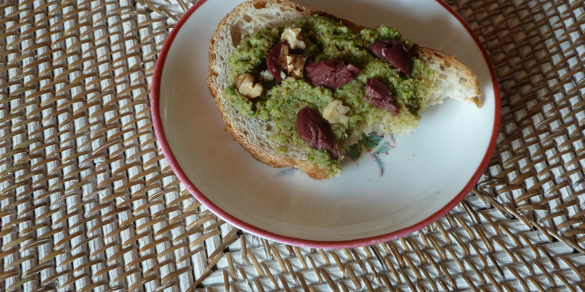
Broccoli Pesto Crostini

What to do when you have a hankering for nutty, garlicky pesto, but summer’s over and fresh basil’s gone until spring? Substitute something in seasonal abundance: broccoli for instance. Try folding the bright tasting spread into cooked pasta, stir into steaming Minestrone soup or smear on toasted artisan bread with walnuts and chopped kalamata olives sprinkled on top for a fabulous fall crostini. Maybe we can survive until basil season after all.

(Makes about 2 cups)

Ingredients:

  • 3 cups, broccoli pieces (cut into small size)
  • 1/2 cup walnuts (plus more for garnish)
  • 7 Tablespoons freshly grated Parmesan cheese
  • 1 clove garlic, finely minced
  • 2 Tablespoons lemon juice
  • 1/4 teaspoon salt (or to taste)
  • 7 plus Tablespoons extra virgin olive oil
  • Chopped kalamata olives (for garnish)
  • Crusty bread toasted

Method:

  1. Place nuts in a small, dry skillet over medium heat. Toast until covered in golden brown spots — turning several times during cooking to prevent burning. Remove from pan to cool, and roughly chop.
  2. Boil water in a medium sized pan. Add broccoli pieces and cook until bright green — about 20 seconds only. Drain and place in an ice-water bath to halt cooking.
  3. Place cooked broccoli, 1/2 cup nuts, cheese, garlic, lemon juice and salt into a food processor. Process until finely chopped. Slowly add 7 tablespoons of olive oil through feed tube while processor is running on low speed. Add more olive oil as needed so pesto is moist. Up to 2 Tablespoons more.
  4. Spread on toasted bread and top with toasted walnuts and chopped kalamata olives.
Pasta with Winter Squash and Chard

Serves 6

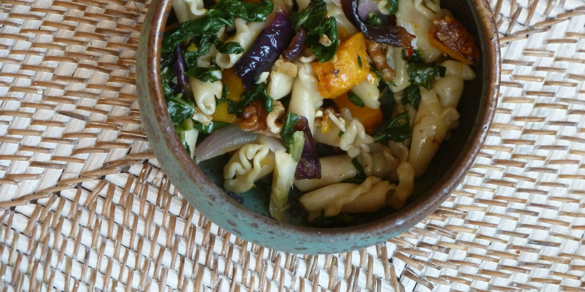
Winter squash and greens create a winning combination — vibrant colors, soft textures and deep flavors. Choose pasta like oreccheitte (little ears in Italian), fusilli (little spindles) or gigli (lilies) that catch bits of the smooth vegetables in their nooks and crannies.

Ingredients:

  • 3 cups of peeled, cubed winter squash
  • 1 onion, cut into ¼ inch thick wedges
  • Olive oil
  • 1 bunch chard, stems removed
  • 2 cloves garlic, minced
  • Red pepper flakes
  • ¾ pound pasta
  • One large handful toasted walnuts
  • Salt and pepper
  • Freshly grated Parmesan or Pecorino cheese

Method:

  1. Preheat oven to 400 ° F. Toss squash and onions with enough olive oil to coat. Roast until tender, about 35 minutes. Turn once during cooking.
  2. Roughly chop chard leaves. Heat some oil in a large skillet over medium heat. Add chard, garlic and a pinch of red pepper flakes. Cook until greens are wilted and tender. Turn off heat.
  3. About halfway through roasting cycle, bring a large pot of water to boil. Add pasta and a large pinch of salt. Cook al dente, then drain.
  4. Place roasted vegetable into skillet. Add pasta. Toss ingredients together, adding some extra virgin olive oil to moisten. Place in a serving dish and sprinkle with walnuts and cheese.

Persimmon Salsa

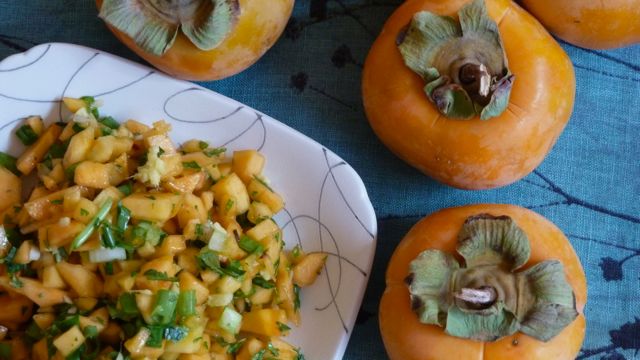
Fuyu persimmons contribute to an outstanding salsa—and at a time when we’ve nearly accepted that salsa season is over until summer. Adjust ingredient amounts to suit your tastes. More ginger for spice, lime for tang, cilantro or mint for brightness, red pepper flakes for heat. Serve with tortilla chips as an appetizer or on a simple black bean taco.

Continue reading

Persimmon Spice Cake

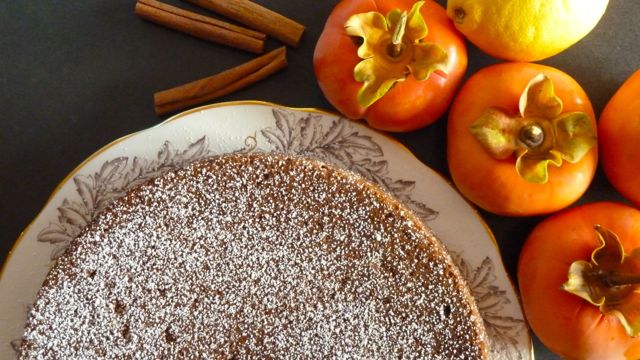
I don’t consider myself a baking sort of cook. My loose style is more suited to the stovetop, but when I find a simple cake with a moist crumb that turns out well without a lot of fuss, I’m eager to make it over and over. This is one such cake. The original calls for Hachiya persimmons (normally used for baking), but you can easily substitute Fuyus.  Just let them sit on the counter or in the fridge until they’ve matured to an ultra-soft consistency, then cut out the stem and scoop the gelatinous flesh out with a spoon. The fruit skin will look shrunken and bright lava orange when they’re ready.

Continue reading