Today’s post is the first in an occasional series of articles exploring basic cooking technique, with step-by-step guidance and tips. Today, we focus on how to sauté.
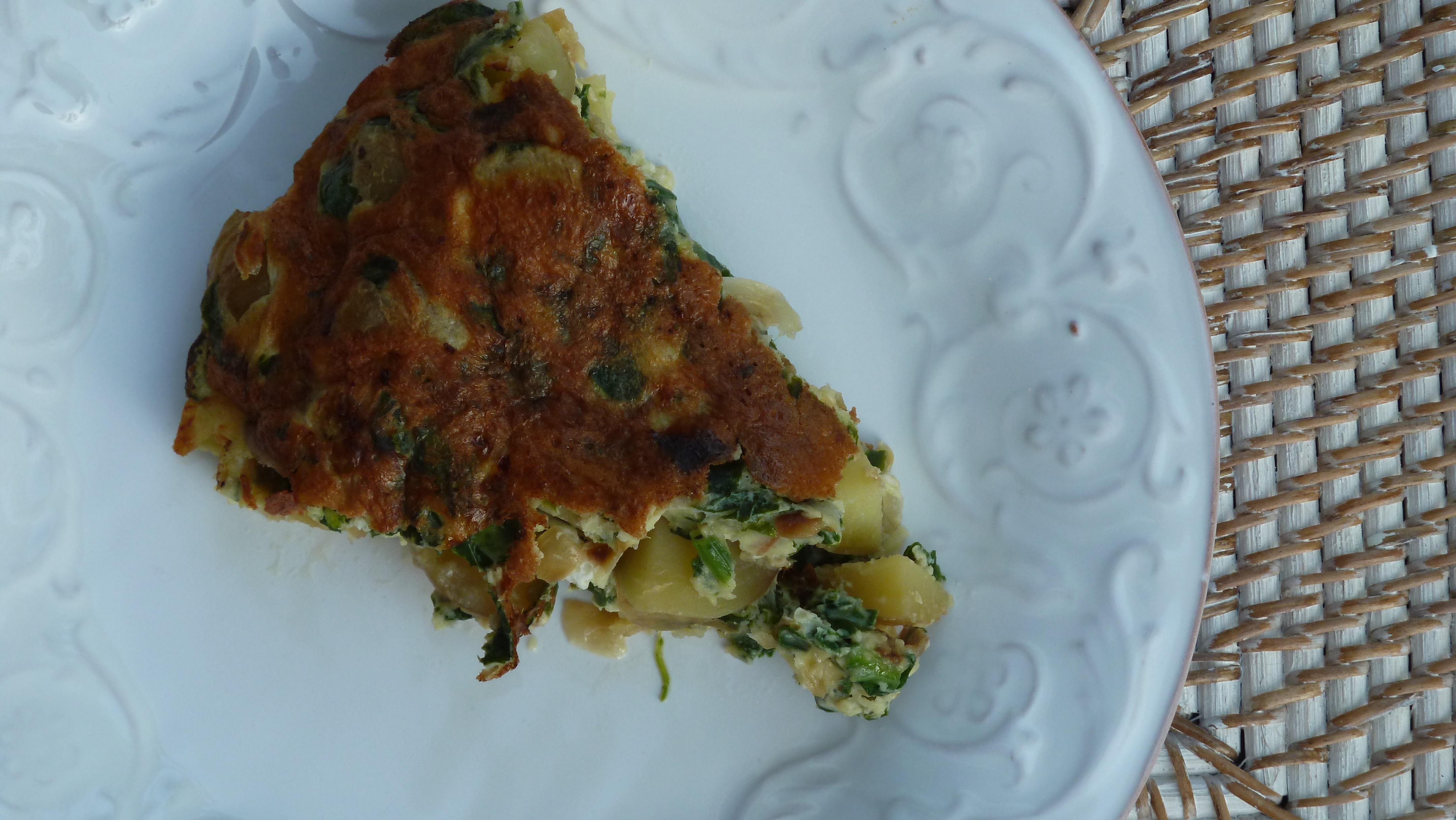
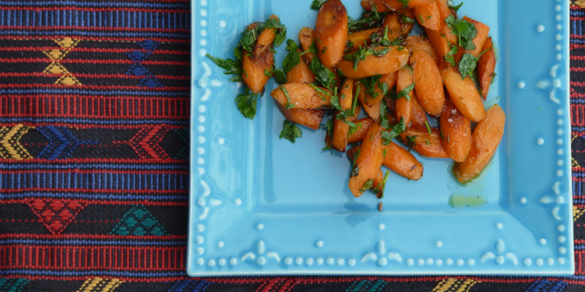
If there were a Hall-of-Fame for culinary technique, sautéing would be a first-round pick. This classic method is simple, versatile and a wise choice for healthy, fresh-tasting meals. In our kitchen we sauté nearly every day — in a simple preparation of seasonal vegetables, or as part of a larger process such as creating a soup, saucy curry or even a baked frittata.
The word sauté comes from the French as a form of leap or jump. Imagine ingredients jumping on a hot metal surface (who wouldn’t?) as a cook shakes her skillet and stirs its contents. To sauté is to cook food in a shallow pan, coated lightly with oil, butter or other fat, over relatively high heat. It is distinguished from deep-frying in the amount of oil involved (less), and from stir-frying in the degree of heat and length of cooking (less and more). As a catalyst for developing deep flavor, there is no method more useful, and understanding the technique opens the door to a wealth of delicious possibilities in the kitchen. Continue reading →
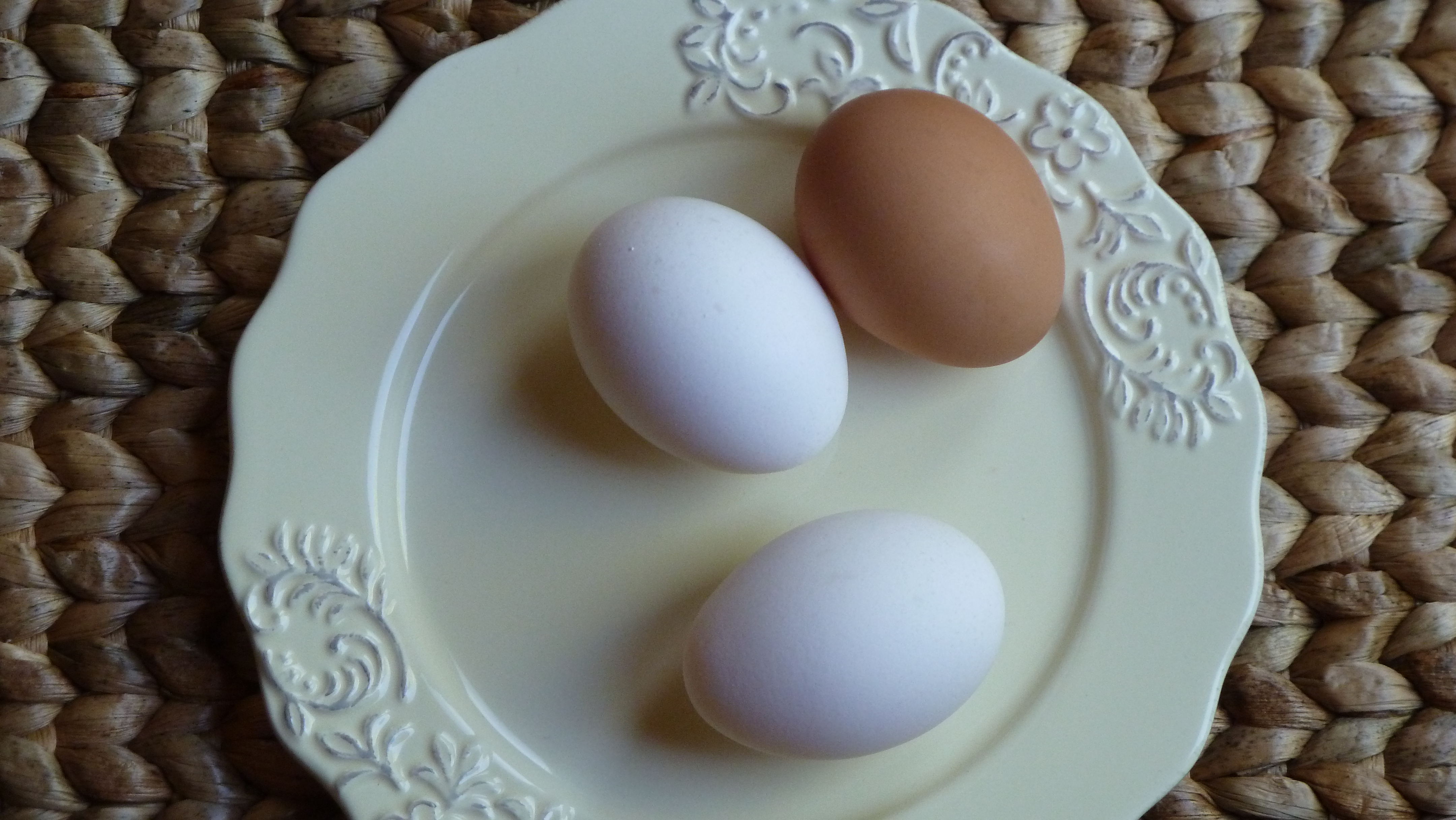 Early spring brings longer, light-filled days, bursts of growth in the farm field and increased egg production in the barnyard. It’s an opportune time to consider the good fortune of the pasture-raised hens at Glaum Egg Ranch. Our feathered girlfriends at Glaum are genuinely free to roam their range. That freedom means good health for the chickens. And superior eggs for Freshness Farms.