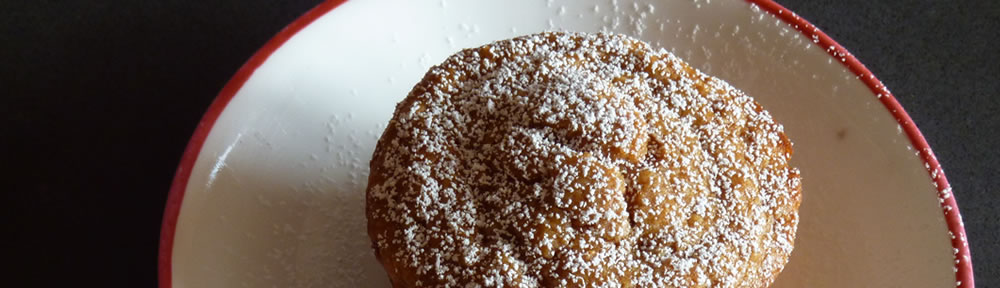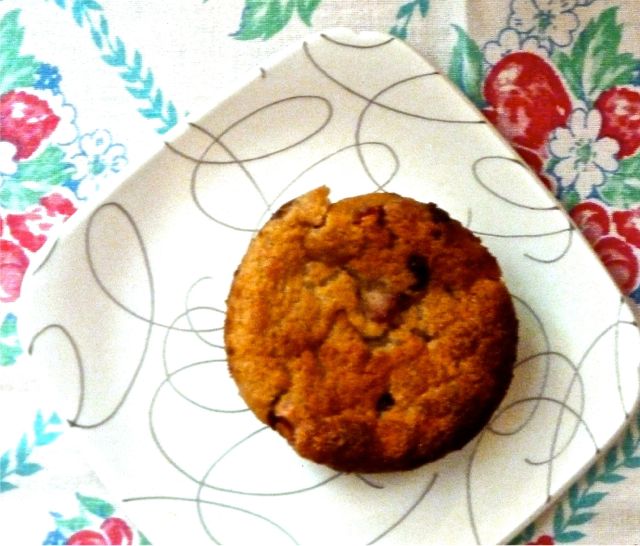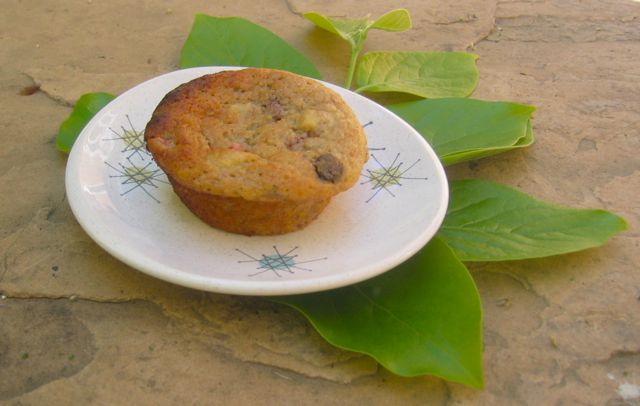
As promised my fellow food bloggers and I are still stirring away (in case you missed yesterday’s post, this week I’m cooking and writing with six middle school students). Today we were treated to a visit from real-life pastry chef, Angela Gonzalez, of Mountain View-based Dial-a-Dessert. Angela patiently guided us through the steps in creating a luscious and tangy lemon yogurt cake (pictured above). Now we know why a few of the muffins we baked on Monday were a tad on the heavy side: too much, albeit joyful, stirring. Energy and enthusiasm are wonderful, but don’t always lead to a light and airy cake crumb. “Easy does it” is our newfound baking mantra. The kitchen truly is a place of learning.
Category Archives: Journal
The Kitchen as Classroom
We don’t usually think of the kitchen as a place of learning. A studio, maybe, where meals are constructed—dough sculpted into bread and sauce painted across plates. Or an office, where cans are filed by size and content. Perhaps it’s better described as a garage where loosely assembled sandwiches spill over their edges, dribbling mustard across the floor—and grease stains are part of the ambiance.
But it’s also true that there are shelves of books lining my kitchen island and an assortment of measuring devices tucked into drawers. And while there aren’t rows of desks, there are other signs of curious minds at work.
At its heart, any kitchen is a classroom. After all, a simple chemistry experiment is behind the air bubbles that create a light cake, and a mathematic equation is what helps the cook half a recipe when cooking for one, or double it for a party. Problem solving is what salvages a batter that’s too wet and guides the question of how much salt is just right. If you’re a food writer, the kitchen is also where carefully chosen words lead readers toward a tender muffin with a delicate crumb, versus one that lies solid and heavy in the pan.
Kale. Yes, We Can
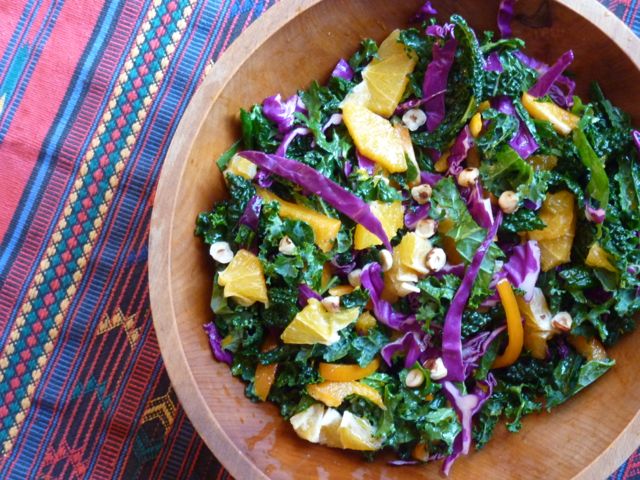
We’ve been eating kale for a while now—even before it became the newest chic, superleaf on the street. Before kale chips and smoothies. And other unlikely incarnations. We follow the hoopla in the media—the articles, blog posts, recipes and such, touting boatloads of vitamins, minerals and fiber—and think back over our personal relationship with this ultra sturdy leaf, over months and years. To be honest, it hasn’t always been easy—or quite so lovey-dovey. Mostly we’d hide the curly chunks in soups and sautés—you’d have to look hard to know they were in there—and cook them long enough that the distinctive chew was no longer recognizable. The thing is, we didn’t necessarily want kale to stand out in our meals, even if we did covet its health benefits. Would we choose earthy kale over, let’s face it, less chewy brethren? The truth is, probably not. Sorry, kale—no offense intended. Unlike others, we never warmed to the energizing power of a green smoothie or the snack appeal of a salty kale chip (to us chips will never be green).
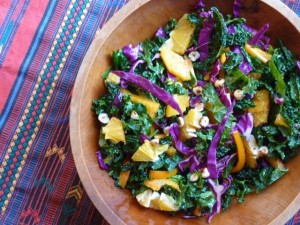
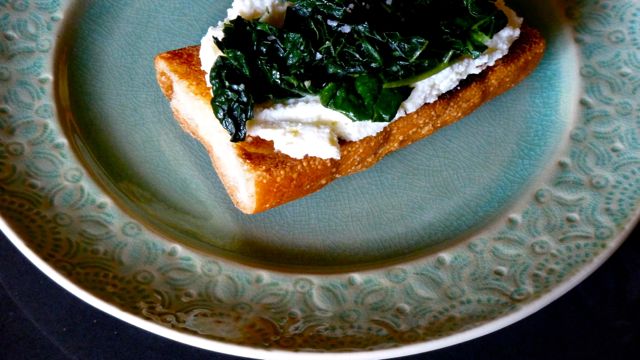
But that was before we stumbled over a few solid recipes that did nothing more contrived than offer kale up as the leaf that it is. In all its jaw-taxing glory. Suffice to say, we were surprised. In a good way. Well done, kale. We thought we had you pegged, but how wrong we were. When teenagers request kale-ricotta tartine for dinner now, you make us proud. Though you’ll never have the ghost of a chance in a standoff with chocolate—still, you’ve come a long way, baby. For a chewy leaf.
March Madness
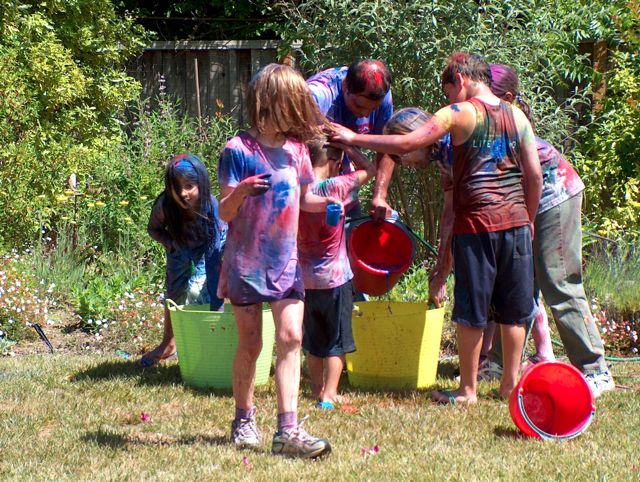
March isn’t just about basketball. Among Indians there’s another sort of madness afoot. A holiday called Holi. Joyful, psychedelically-hued and unabashedly rowdy to the core, this is a day eagerly anticipated by the child deep inside even the most stodgy adult. A chance to willfully embrace chaos. To run wild and misbehave in ways that would land us in the time-out chair or worse on any other occasion. Adults act like kids, while kids rightly recognize this as the moment to seize—when rules no longer apply.
In its
tamest incarnation, Holi involves brightly colored powder called gulal, playfully tossed with a friendly squirt here or there from a water gun called a pichkari. At the other extreme buckets of tinted water are dumped over unguarded heads, garden hoses aimed for battle and bodies covered from head to baby toe in a Jackson Pollack-inspired palette, as revelers dodge one another at full throttle, while simultaneously plotting their mischief. Imagine the most colorful water fight you can, then crank the intensity up a notch. On this day the grass turns red, the sidewalk purple, and afterward, a trail of pink footprints is forever imprinted across the bathroom floor. Today is Holi. If you’re with Indians (or others in the know), watch your back—punkrock-worthy streaks have been known to linger in light-hued American hair for weeks. And a white t-shirt will never be the same again. But really, that’s just the point.
Eat your Weeds
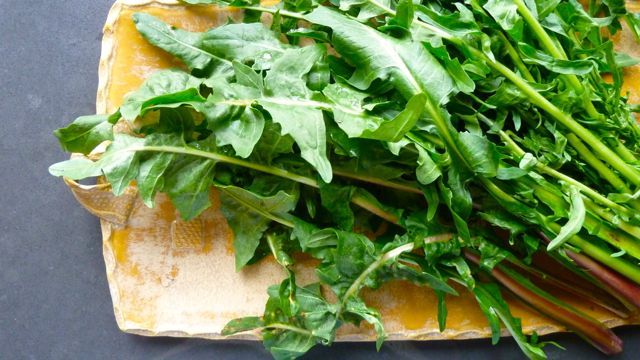
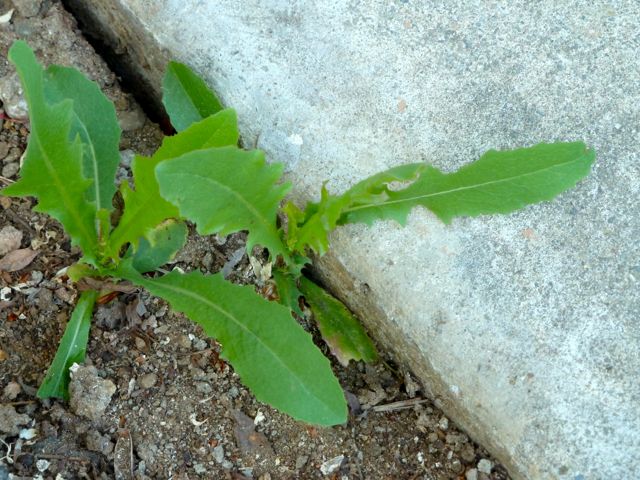
Early spring has me pondering the merits of dandelions. They’ve crept into the garden during the last few weeks of mild weather—invading with the sort of bravado only a sturdy weed can muster. I note their presence with an odd feeling of respect—their mighty tap roots hang on for dear life, as I strain to unearth them. There are other reasons to admire the dandelion as well: the perky yellow flower that weaves supply into a rustic crown and the feathery seeds that take flight in all directions, with one deep breath from a schoolgirl’s playful lungs.
Even if the jagged weed’s charm is best appreciated by a childish turn of mind, its nutritional profile can’t help but impress adults. One serving contains a day’s requirement of Vitamin A plus a whopping five times as much Vitamin K. Not bad for a weed. And while I don’t typically toss these wild garden interlopers into salad, I’m looking for ways to enjoy the occasional bunch of their cultivated cousins.