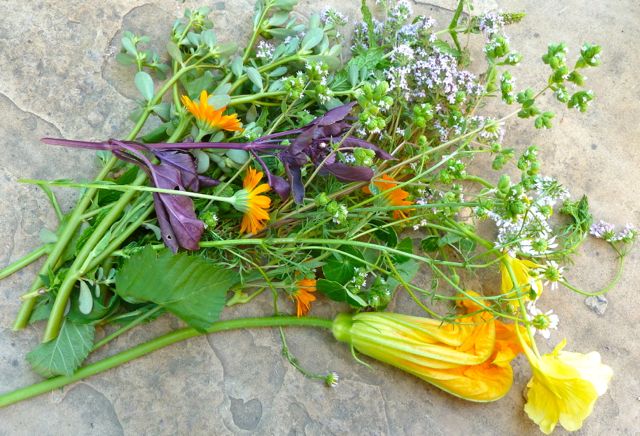
10:09 pm, PDT, June 20, 2012 marks the Northern Hemisphere’s Summer Solstice—the longest day of this California year and the point in time when spring plunges headfirst into summer. Thanks to the lopsided tilt of Earth’s axis relative to the sun we are blessed each year with a stretch of marathon days and toasty temperatures, and part of what makes the onset so blissful is the knowledge that such popsicle weather won’t be with us for long. Six months hence we’ll find ourselves shivering once more in woolen sweaters, as we wistfully notice darkness sneaking in at a stern five o’clock.
Category Archives: Journal
Mushroom Magic
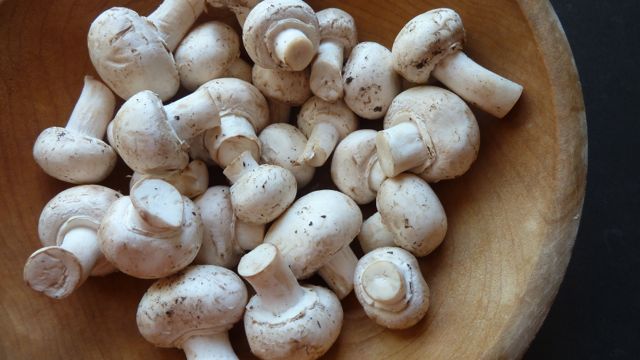
Mushrooms have an air of magical mystery about them. Ever notice how wild ones appear, as if out of nowhere, in the moist, loamy dirt—like pillowy perches conjured up by a weary garden sprite? In the kitchen they can be equally enchanting—taste-wise and nutritionally, too. Recent studies are showing evidence that the ordinary button variety is loaded with health benefits (in some cases surpassing that of their more exotic brethren like shitake)—regulating inflammation, protecting against cardiovascular disease, estrogen-fueled breast cancers and more. They are also an excellent source of selenium, Vitamins B2, B3 and B5, copper, potassium and phosphorus.
Monterey Thistle
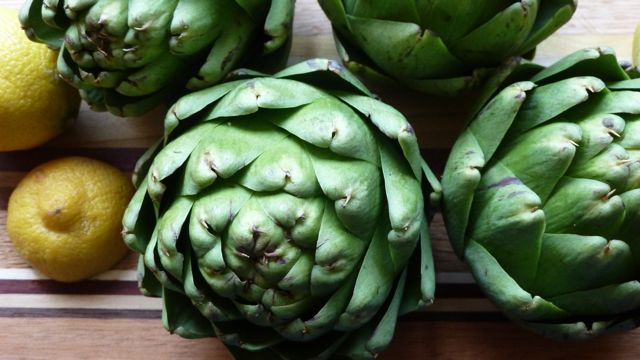
We’re fortunate to find artichoke country just down the road. You’ve probably passed the fields along the highway near Castroville, on the way to Monterey Bay. They’re covered in row upon row of sprawling plants with grayish-green, sawtooth leaves arching like gangly monster legs. The artichokes we eat are flower buds, and you’ll spy them—perched on the end of long stems, like leafy torches. Unharvested buds eventually produce majestic, purple flowers in summertime—the biggest thistles around.
Starring Roots

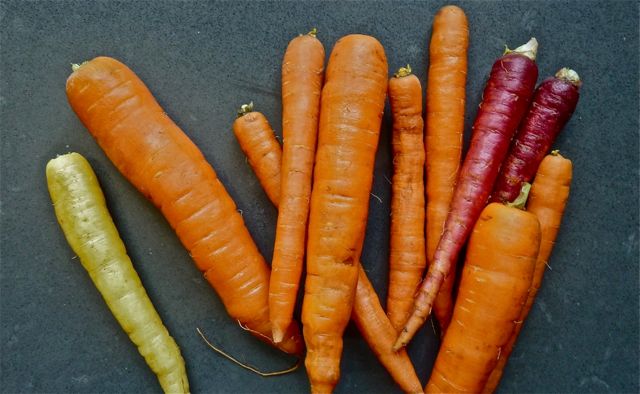
Carrots always rank high on any veggie-oriented greatest hits list—most popular to grow in the garden; best for weight loss; favorite veggie to eat raw; healthiest snack on the run; and so on. If there was a lifetime achievement award in the produce world, they’d be a serious contender. Carrots are pleasantly crisp, sweet and bright tasting—a colorful feast for the eye, too. When you think about it though, these familiar faces mainly assume a supporting role on the plate—as healthy lunchbox sides; crunchy dip scoopers; building blocks for deeply-flavored soup; adds-in to a leafy salad. As directors of our personal mealtime productions, we rarely cast carrots in the starring role. More’s the pity as they’re capable of delivering a flavorful line in the spotlight.
Kohlrabi: live long and prosper
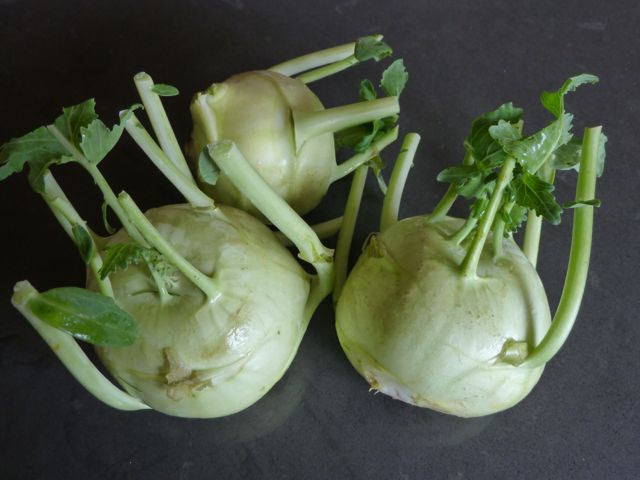
Cooks joke about kohlrabi—how it has an alien-spaceship vibe going on, with its bulbous shape and spindly leaves extended skyward like Doctor Who or Star Trek-ready wings. It looks like something that might descend quietly down to earth in the night—with a crew of tiny, green, extraterrestrial vegetarians on board.
Most Americans would be hard-pressed to identify this odd vegetable with its swollen stem that masquerades as a root. European-born ex-pats on the other hand, recognize an earthling when they see it—this one’s as commonplace in the homeland as a turnip root or cabbage head. Kohlrabi is, in fact, a close relative of cabbage, as well as cauliflower, brussel sprouts and broccoli. And it’s taste suggests the latter, if not its other-worldly appearance.