We don’t usually think of the kitchen as a place of learning. A studio, maybe, where meals are constructed—dough sculpted into bread and sauce painted across plates. Or an office, where cans are filed by size and content. Perhaps it’s better described as a garage where loosely assembled sandwiches spill over their edges, dribbling mustard across the floor—and grease stains are part of the ambiance.
But it’s also true that there are shelves of books lining my kitchen island and an assortment of measuring devices tucked into drawers. And while there aren’t rows of desks, there are other signs of curious minds at work.
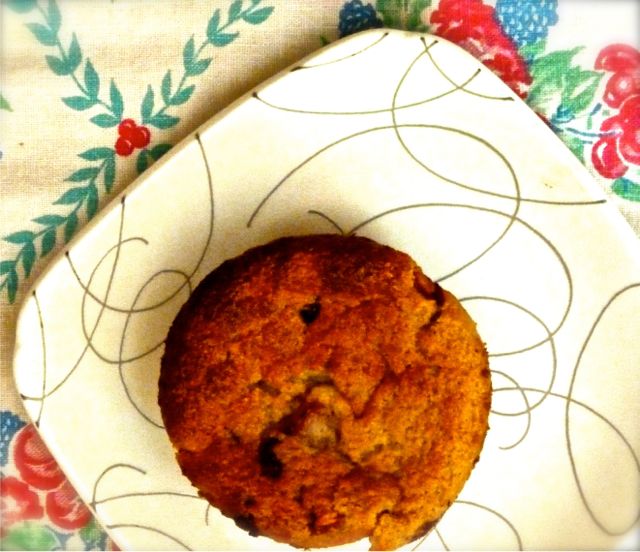
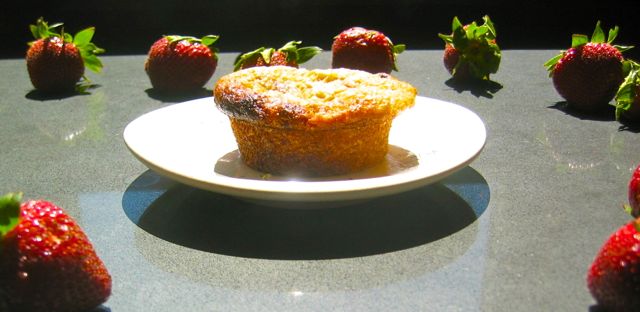
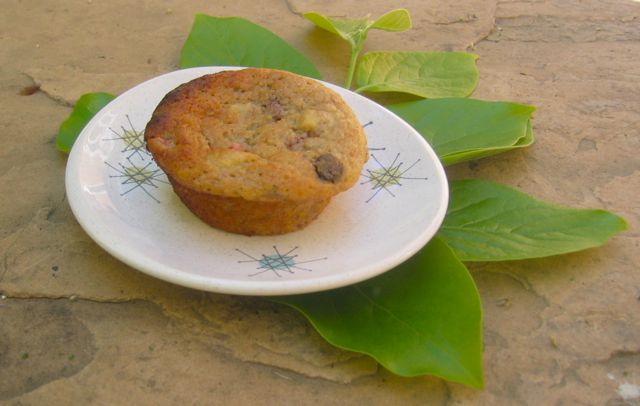 At its heart, any kitchen is a classroom. After all, a simple chemistry experiment is behind the air bubbles that create a light cake, and a mathematic equation is what helps the cook half a recipe when cooking for one, or double it for a party. Problem solving is what salvages a batter that’s too wet and guides the question of how much salt is just right. If you’re a food writer, the kitchen is also where carefully chosen words lead readers toward a tender muffin with a delicate crumb, versus one that lies solid and heavy in the pan.